According to data, Nigeria is a `country of the young’ with almost half the entire 180 million strong population, 46 per cent, currently under the age of 15. The current total for children under the age of 5 stands at nearly 31 million while each year at least 7 million babies are born. While a little over one in three of Nigeria’s whole population lives below the poverty line, among children this proportion surges to 75 per cent.
When considering the low levels of birth registration, in some areas up to 62 per cent, known data about child health issues are likely to underestimate the true scale. A 2016 national campaign linked to healthcare services resulted in the registration of about seven million children, but large population growth is impacting progress.
Nigeria’s 40 million women of childbearing age (between 15 and 49 years of age) suffer a disproportionally high level of health issues surrounding birth. While the country represents 2.4 per cent of the world’s population, it currently contributes 10 per cent of global deaths for pregnant mothers. Latest figures show a maternal mortality rate of 576 per 100,000 live births, the fourth highest on Earth. Each year approximately 262,000 babies die at birth, the world’s second highest national total. Infant mortality currently stands at 69 per 1,000 live births while for under-fives it rises to 128 per 1,000 live births. More than half of the under-five deaths – 64 per cent – result from malaria, pneumonia or diarrhoea. Investment in this sector has been high in recent years although the proportion of patients able to access appropriate treatment remains low.
A new born baby and her mother are weighed in a UNICEF-supported health clinic in Muna Garage IDP camp, Maiduguri, Borno State.
UNICEF/2018/Naftalin
The rate of those mothers feeding new-borns exclusively with breastfeeding for the first six months of life which remains stuck at around 17 per cent of infants, unchanged over the last decade. Only 18 per cent of children aged 6-23 months are fed the minimum acceptable diet. While the government has sought to improve access to primary health care nationwide, committed to reaching a network of at least one PHC facility in each of the country’s 10,000 administrative wards, the work is still far from complete. Coverage can be patchy, bottlenecks in healthcare provision severe.
Poor access to water, sanitation and hygiene (WASH) remains a major challenge, contributing significantly to high levels of diarrhoea-related deaths. As of 2015, 57 million Nigerians were without access to improved water sources, while 130 million people without access to improved sanitation. An estimated 25 per cent of Nigerians practice open defecation on a daily basis.
Schoolgirls get safe water from a water facility near their homes
UNICEF/2017/Akingbulu
Nigeria accounts for more than one in five out-of-school children anywhere in the world. Although primary education is officially free and compulsory, only 67 per cent of eligible children take up a place in primary school. If a child misses school for even a short time there is only a low chance, only about 25 per cent, that the child will ever return.
Girls suffer more than boys in terms of missing out on education. In the north-east of Nigeria only 41 per cent of eligible girls receive a primary education, 47 per cent in the north-west. Social attitudes can also impact negatively on education rates especially in northern Nigeria. In north-eastern and north-western states, 29 per cent and 35 per cent of Muslim children, respectively, attend Qur’anic education, which does not include basic education skills such as literacy and numeracy. These children are officially considered out-of-school by the Government.
girls-in-clasroom
UNICEF Nigeria/2017/Abubakar
Nigerian children are vulnerable to a wide range of abuses and harmful traditional practices. The national legal framework for child protection is the Child Rights Act 2003, but to date, only 23 of 36 states have adopted the Act. Implementation is patchy with many local authority bodies unaware of their duties under the law. A national survey in 2014 found that 6 out of 10 children reported having suffered one or more forms of violence before reaching 18 years of age, with 70 per cent of those experiencing multiple incidents of violence. The country has the largest number of child brides in Africa: 23 million girls and women were married as children.
At 27 per cent, the prevalence of female genital mutilation/cutting (FGM/C) among girls and women aged 15-49 years is lower than in many countries where the practice is carried out, but Nigeria still has the third highest absolute number of women and girls (19.9 million) who have undergone FGM/C worldwide. It is more commonly practised in the south, driven by grandmothers and mothers-in-law aiming to curb promiscuity, prepare girls for marriage and conform to tradition.
With millions displaced by conflict in some parts of northern Nigeria, already significant challenges in healthcare, WASH and education have all been intensified. While accurate, up-to-date data is difficult in a fluid situation where so many millions have left their homes, one clear truth is that children have been affected acutely by the turmoil.
Learn more
People wait to get clean water at a camp in Borno
Link
Humanitarian Situation Reports
Snapshot of current needs and response – concise operational documents to support the coordination of humanitarian response
Visit the site
Schoolchildren by the class window
Programme
Social Policy
See how UNICEF is supporting the government of Nigeria to provide social protection in Nigeria.
Explore our work
People wait to get clean water at a camp in Borno
Programme
Emergencies
See how UNICEF is supporting the Government of Nigeria to respond to emergencies especially in northeast Nigeria.
Explore our work
A UNICEF-supported health worker teaching mothers the importance of breastfeeding.
Programme
Communication for Development
See how UNICEF is supporting the government of Nigeria to promote positive behaviour and social change integral to development programmes.
Explore our work
A girl with a glass of water
Programme
Water, Sanitation and Hygiene
See how UNICEF is supporting the Government of Nigeria to provide access to clean water for children
Explore our work
A baby is being weighed at a UNICEF-supported health centre in Borno State.
Programme
Health & HIV
See how UNICEF is supporting the Government of Nigeria to improve immunization coverage and provide access to quality healthcare.
Explore our work
A girl looks out of a window in northeast Nigeria
Programme
Child Protection
See how UNICEF is supporting the Government of Nigeria to protect children.
Explore our work
A child being fed with RUTF
Programme
Nutrition
See how UNICEF targets its actions to ensure good nutrition for every child in Nigeria
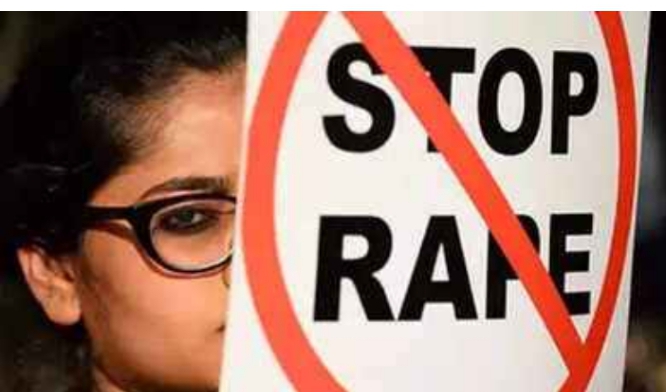
Girls suffer more than boys in terms of missing out on education in the north east of Nigeria only 41 per cent of eligible girls receive a primary education.some girls are molested by boys most especially the children that hawk most times the are being decived by their customers telling them that if the comply with them the would do anything for them therefore forcing them to sleep with them….The international day of the girl child is an international observance day declared by the united nations it is also called the day of the girl. October 11,2012 was the first day of the girl child.it is one of the critical areas of the 1995 Beijing platform for action.

 Site Title